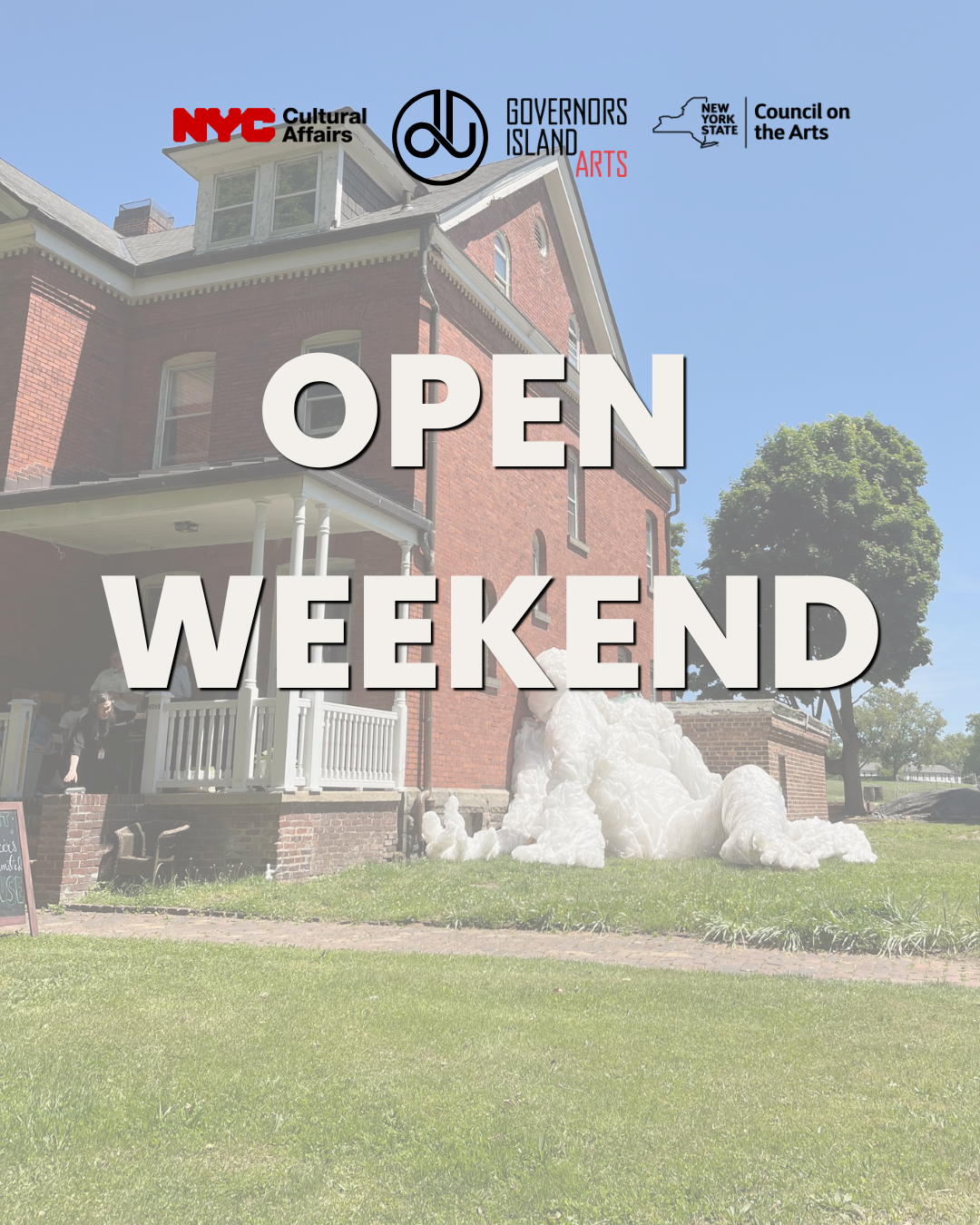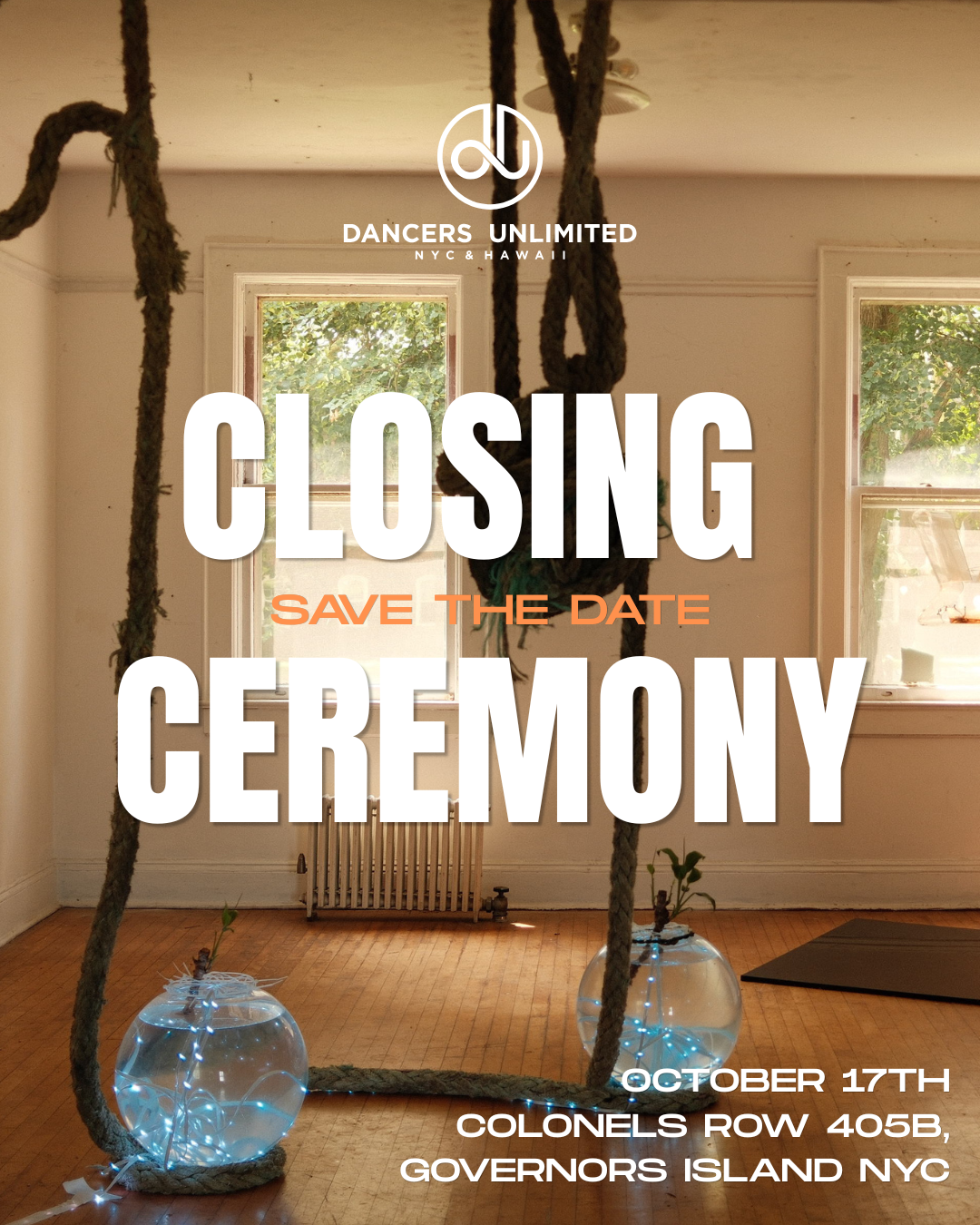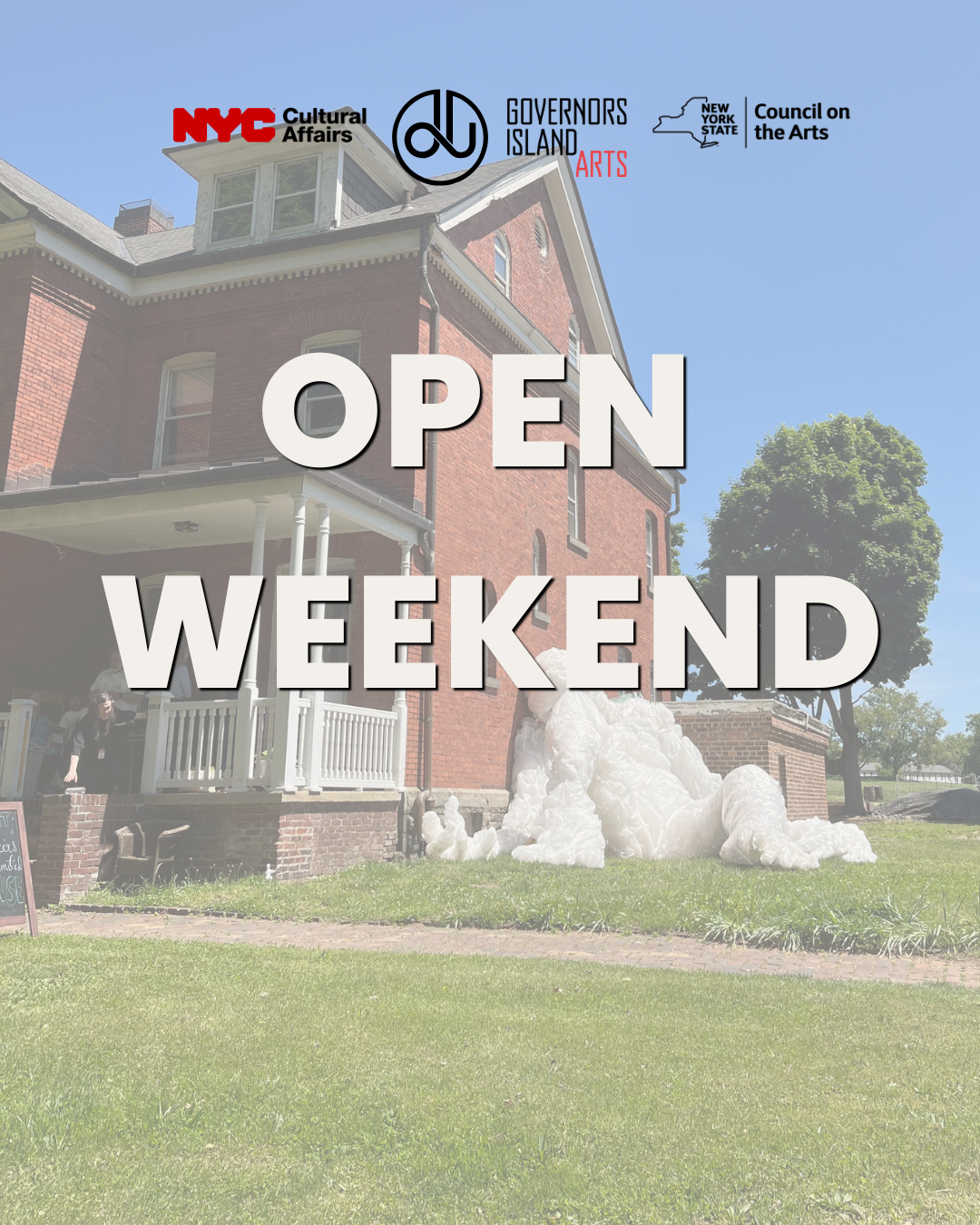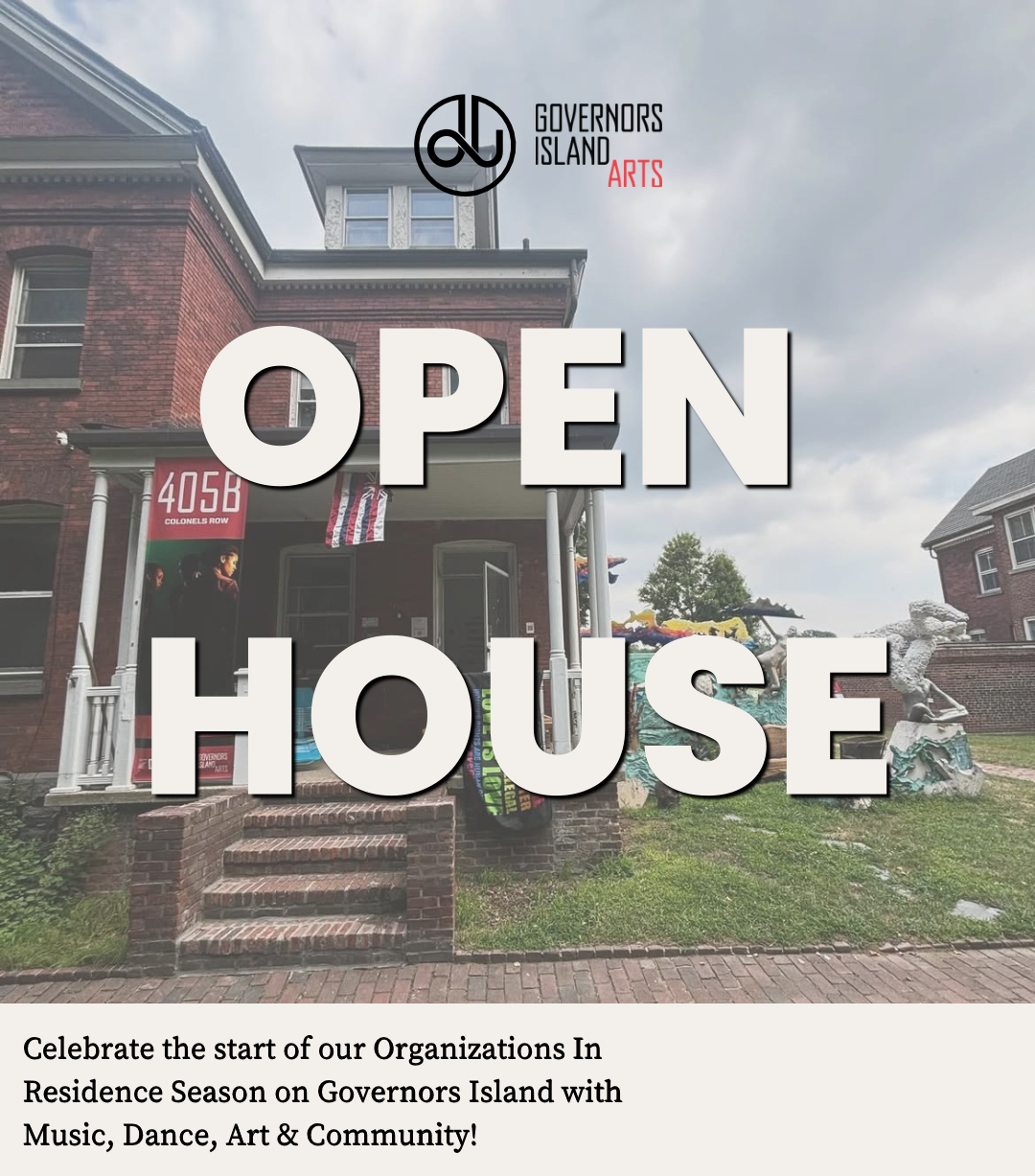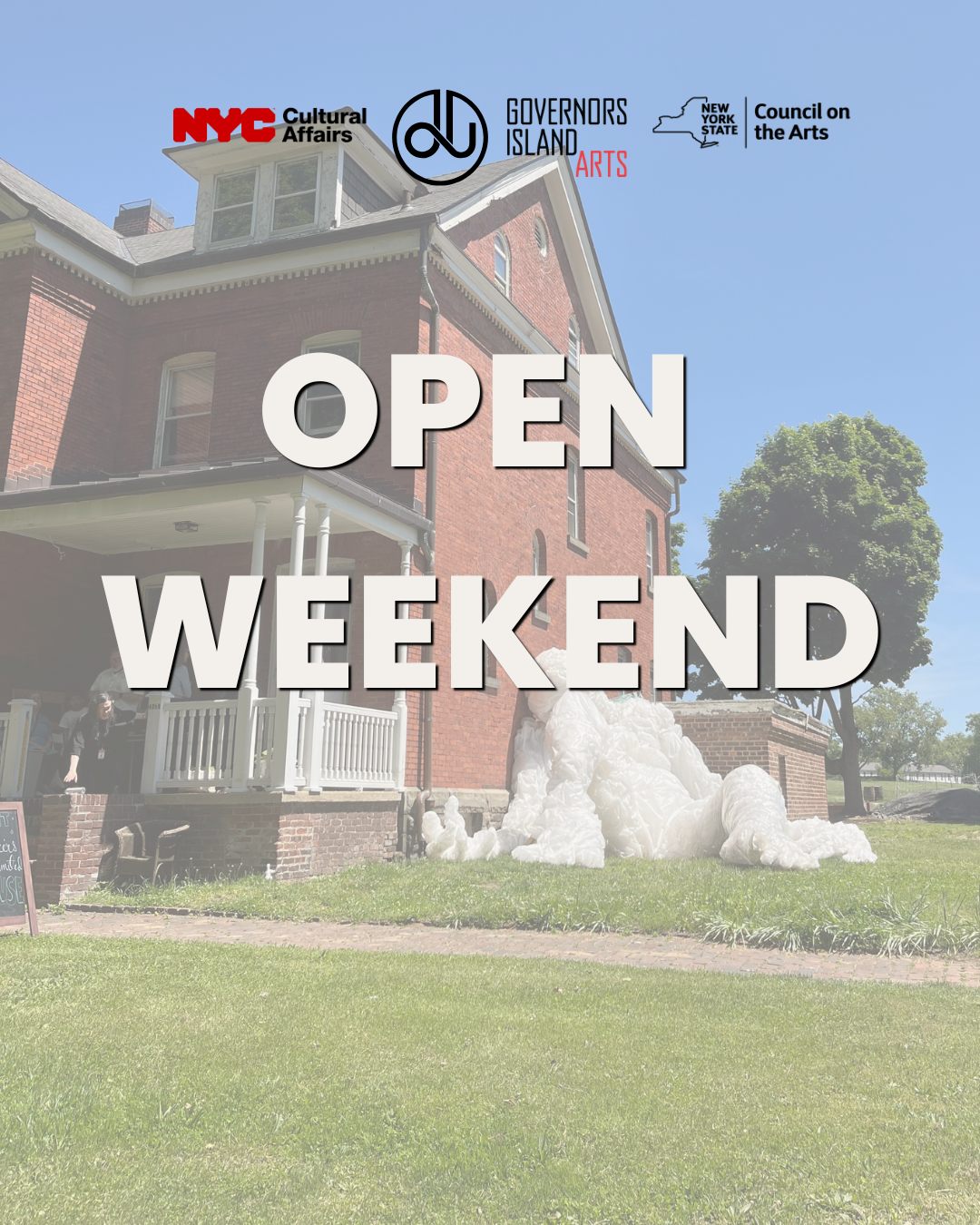
DU x AnkhLave: Governors Island Residency OPEN WEEKEND
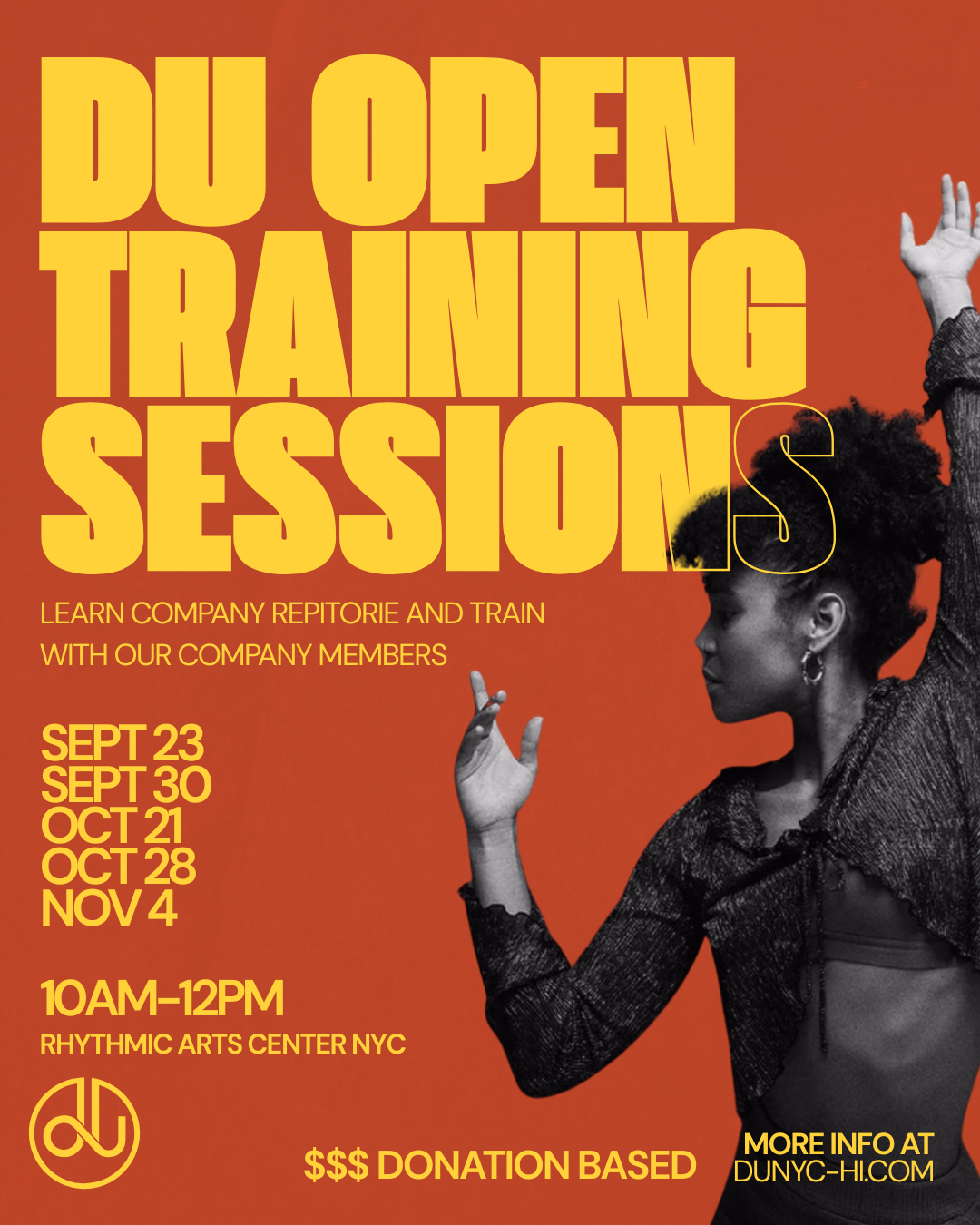
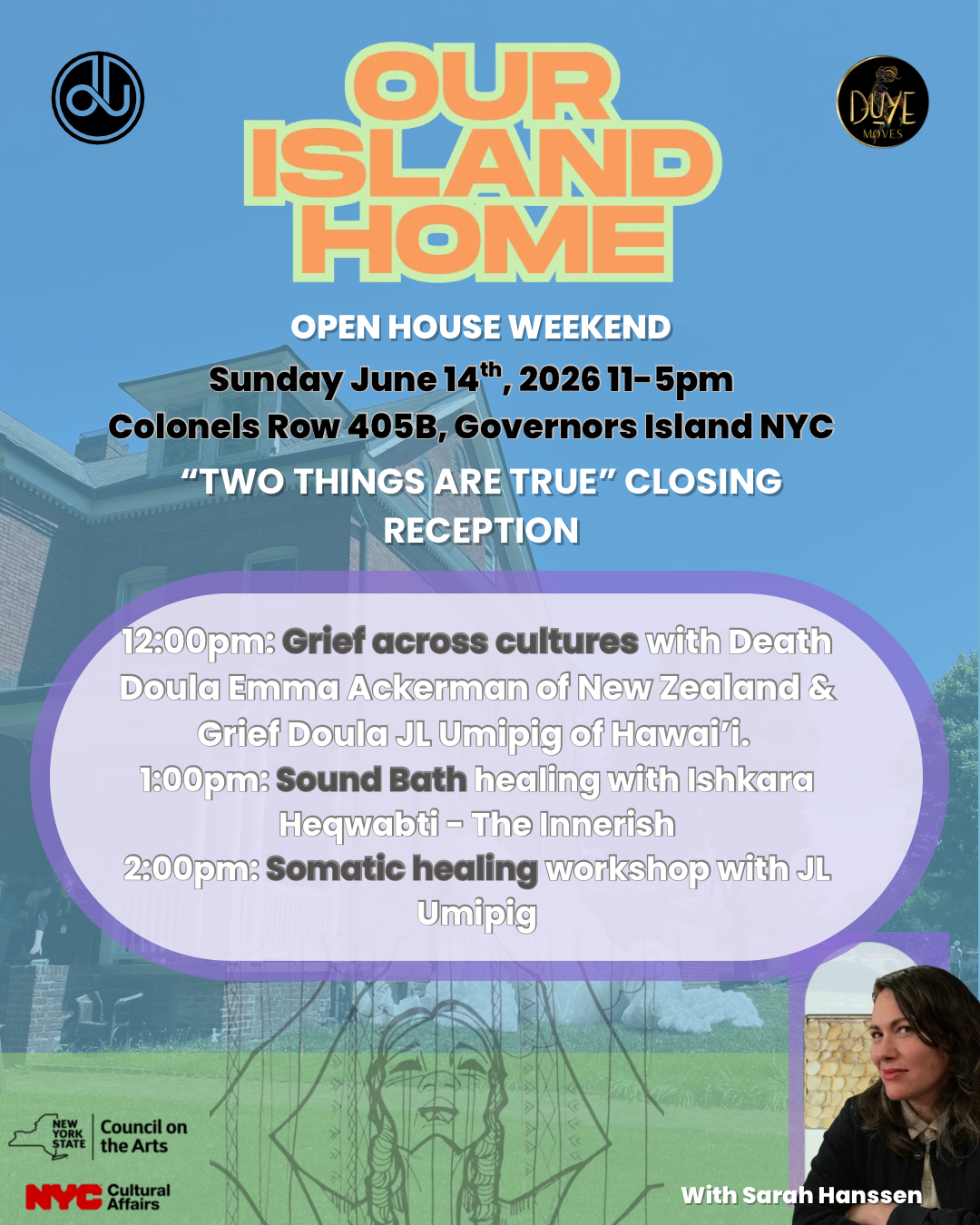
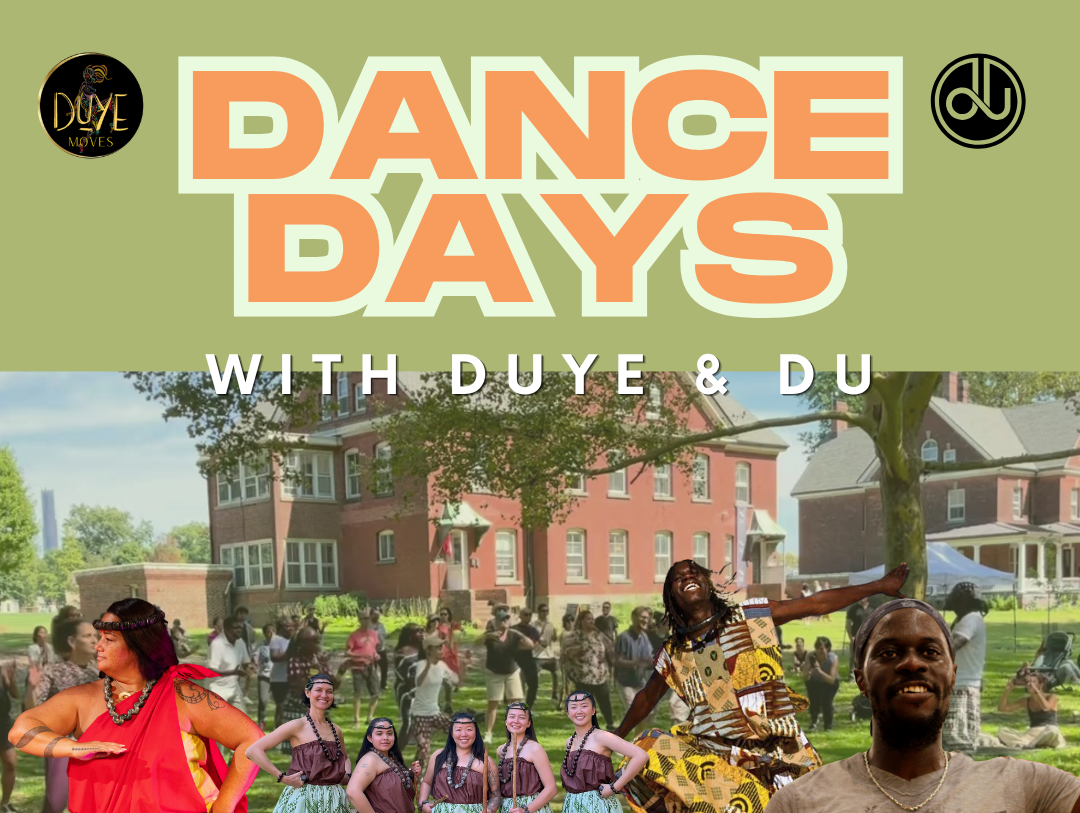
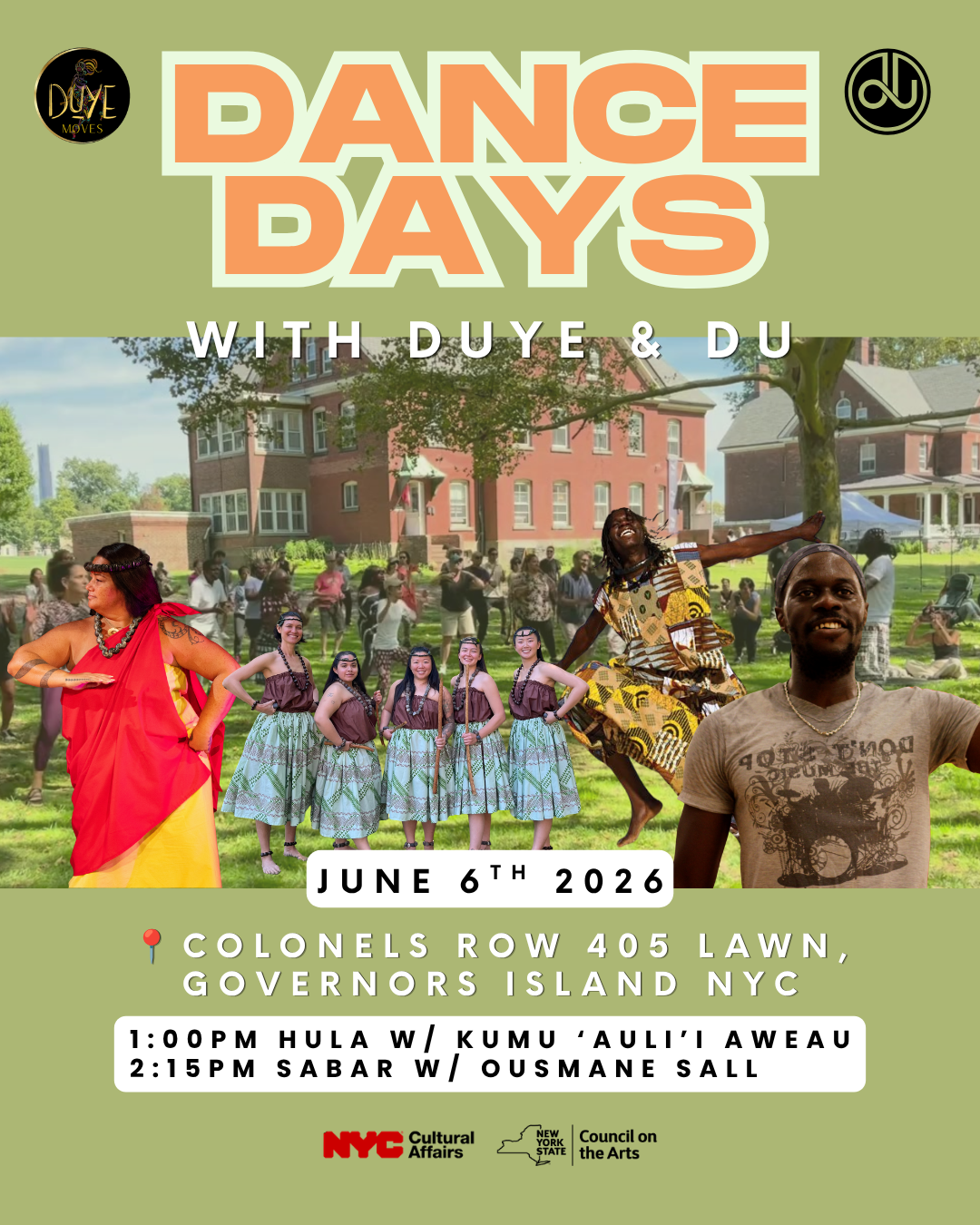
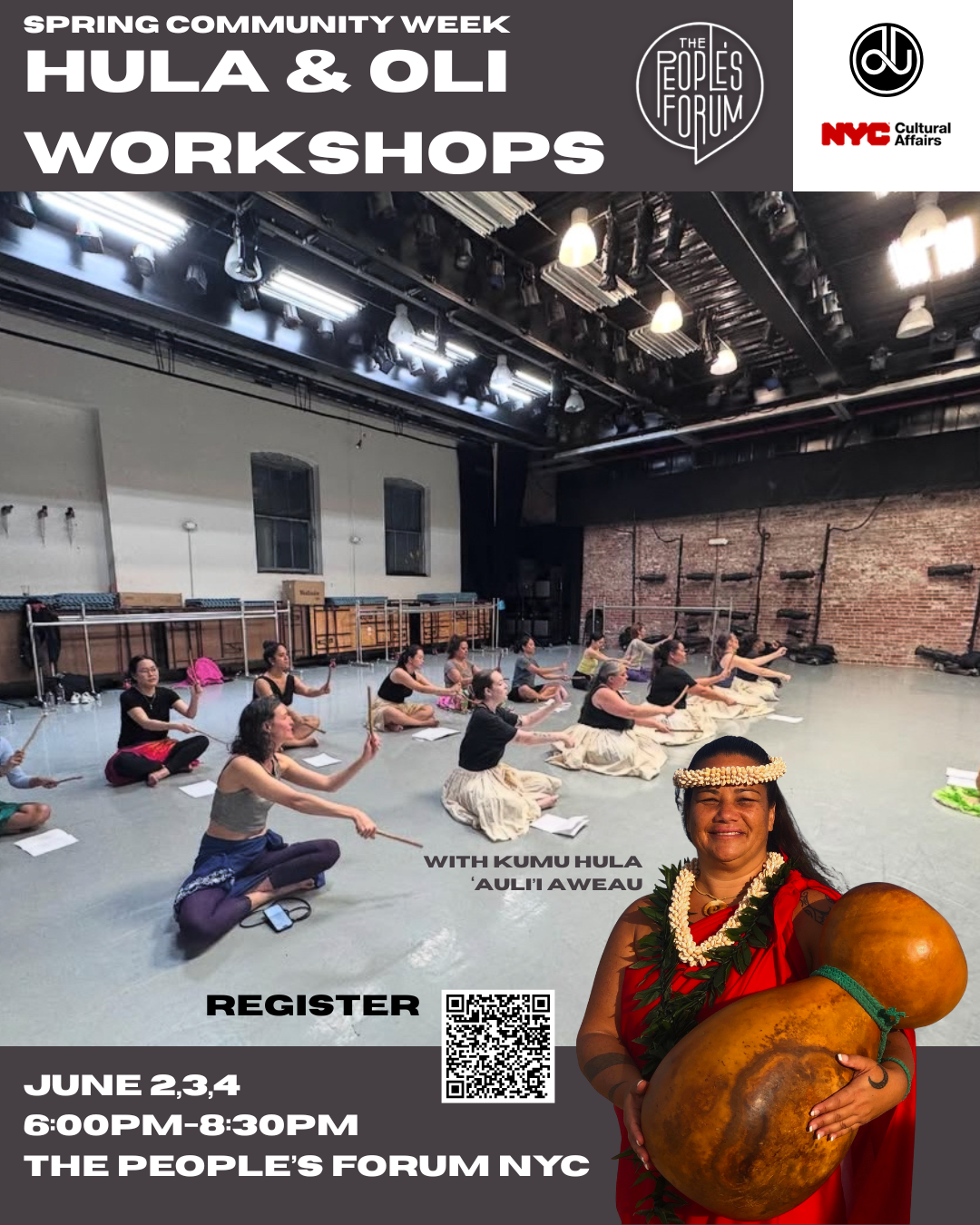
Join Dancers Unlimited every weekend for artist open houses, events and workshops.
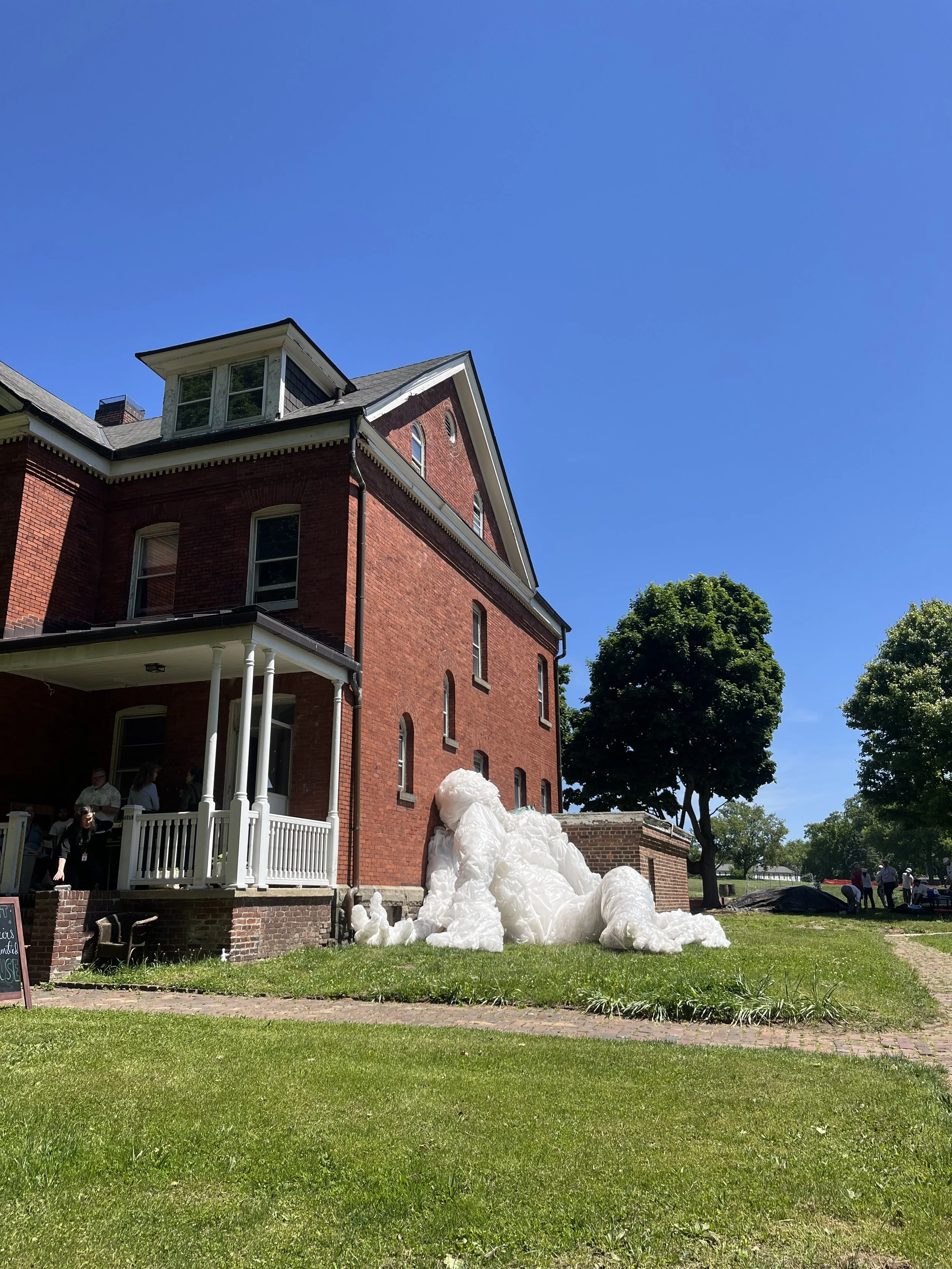
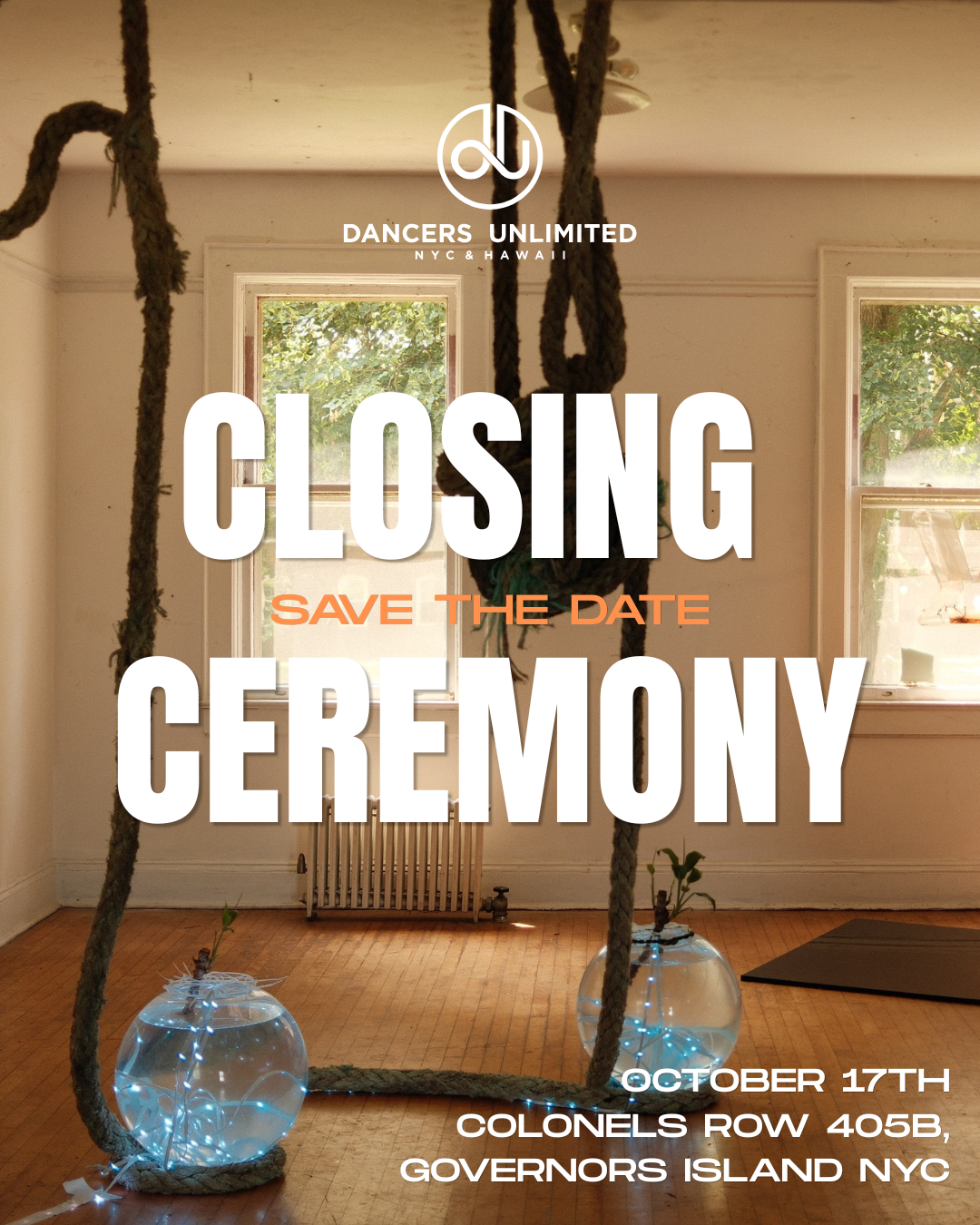
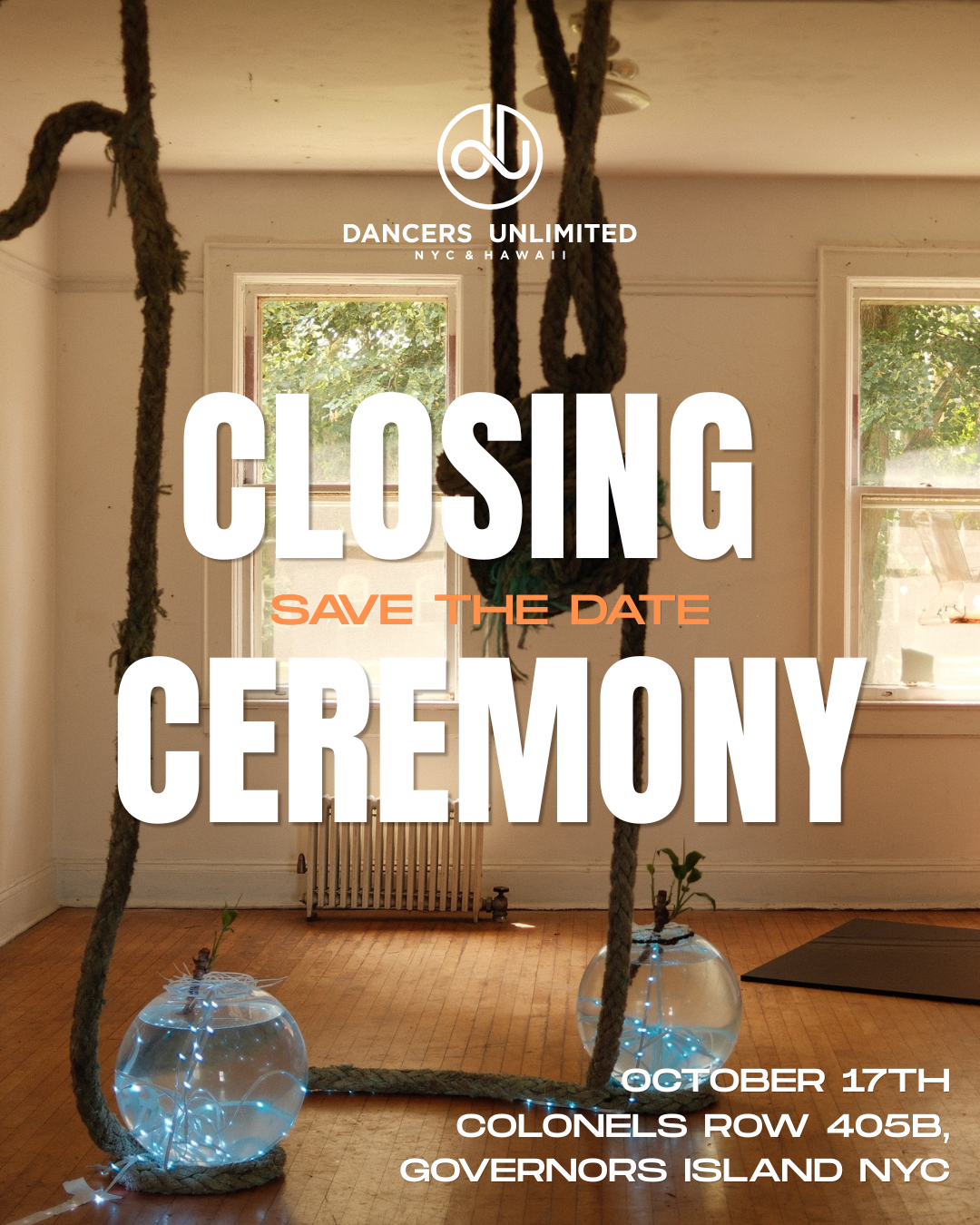
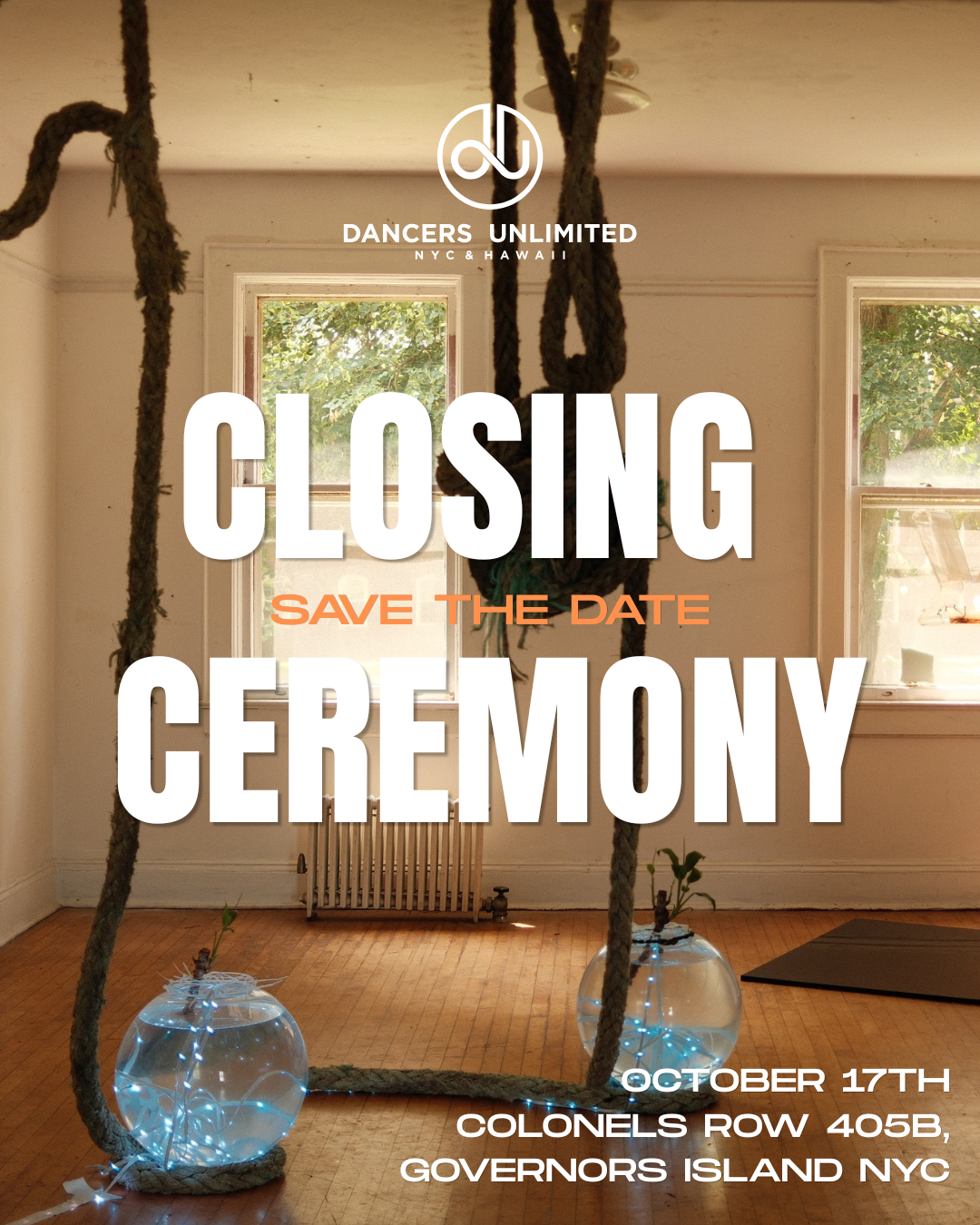
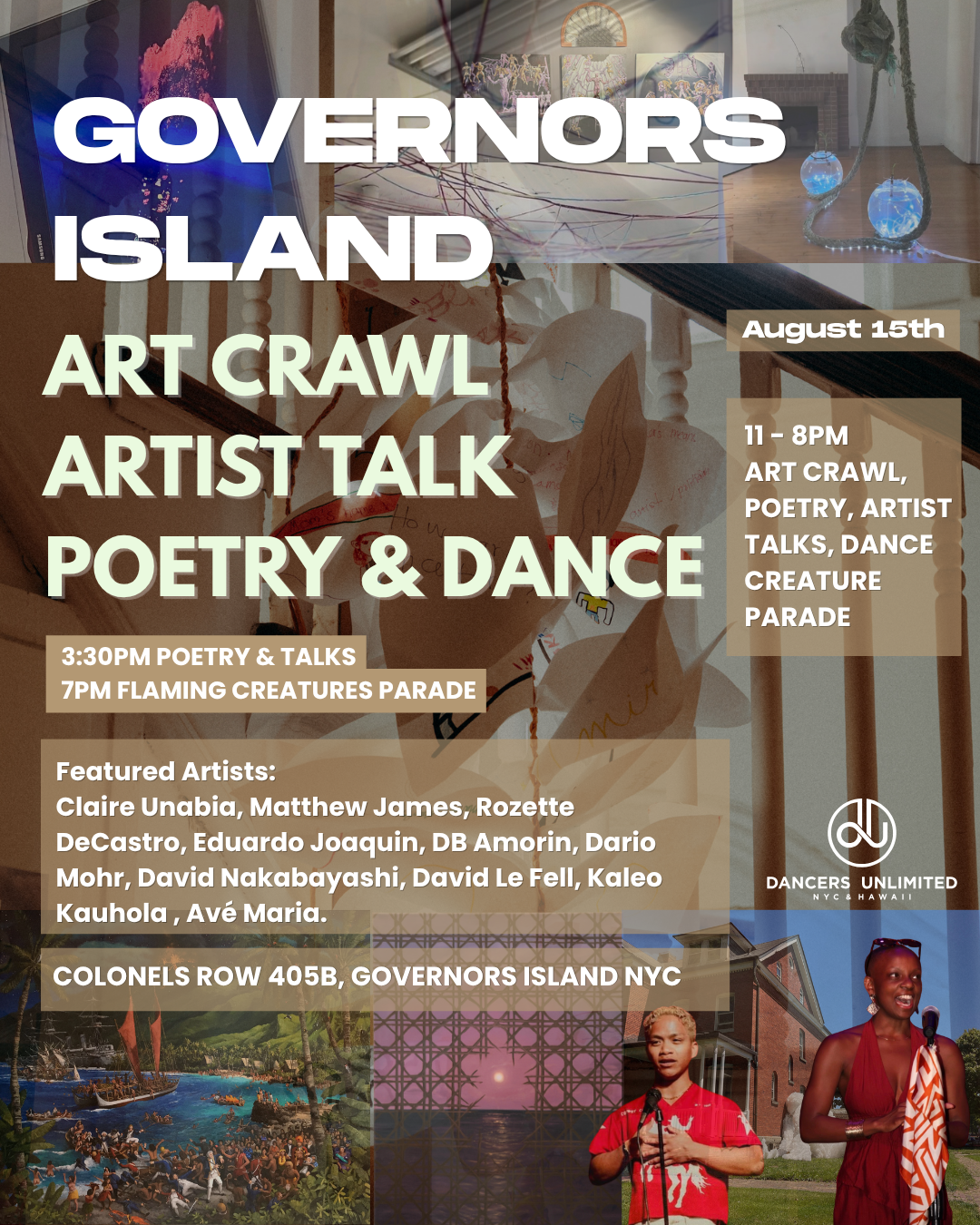
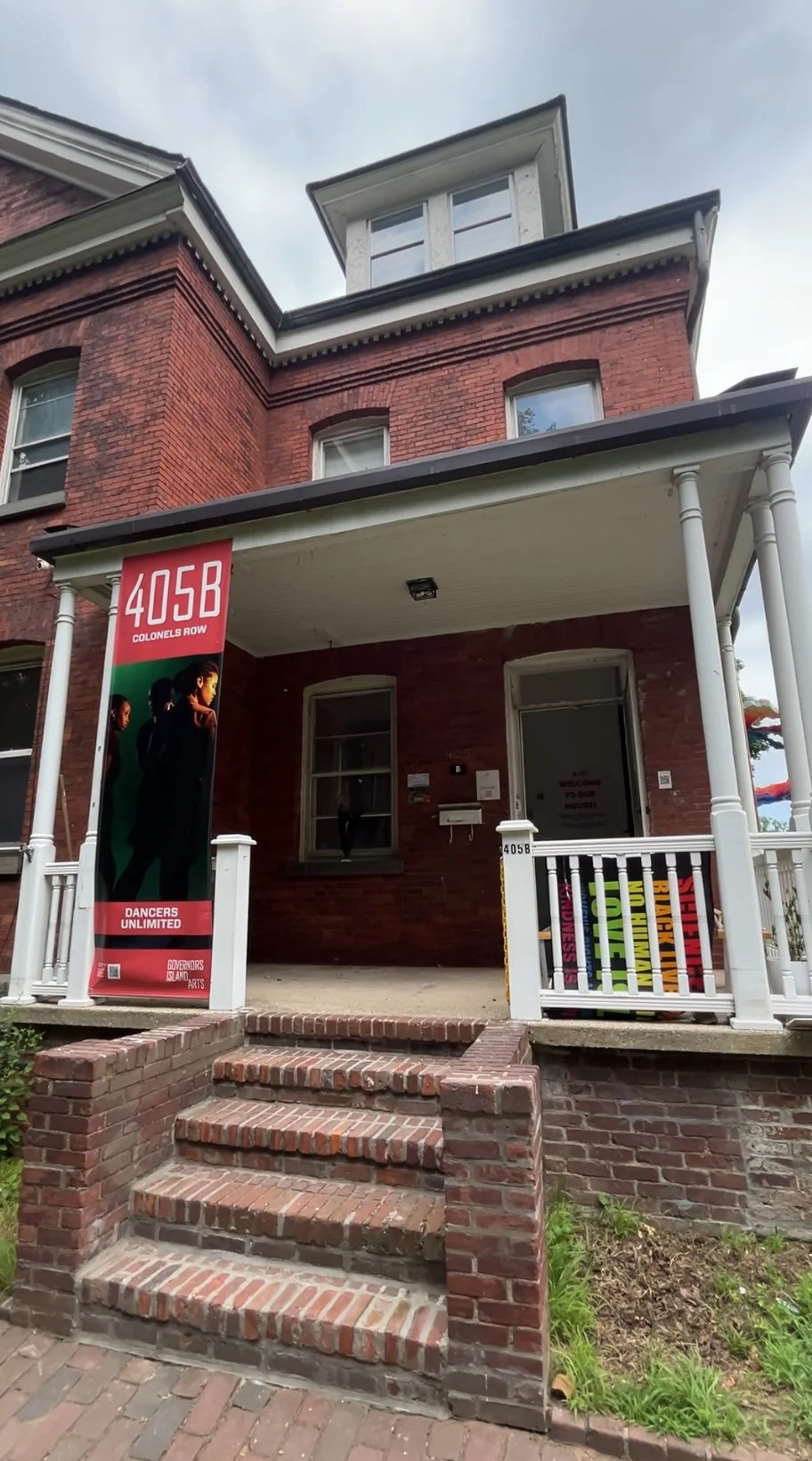
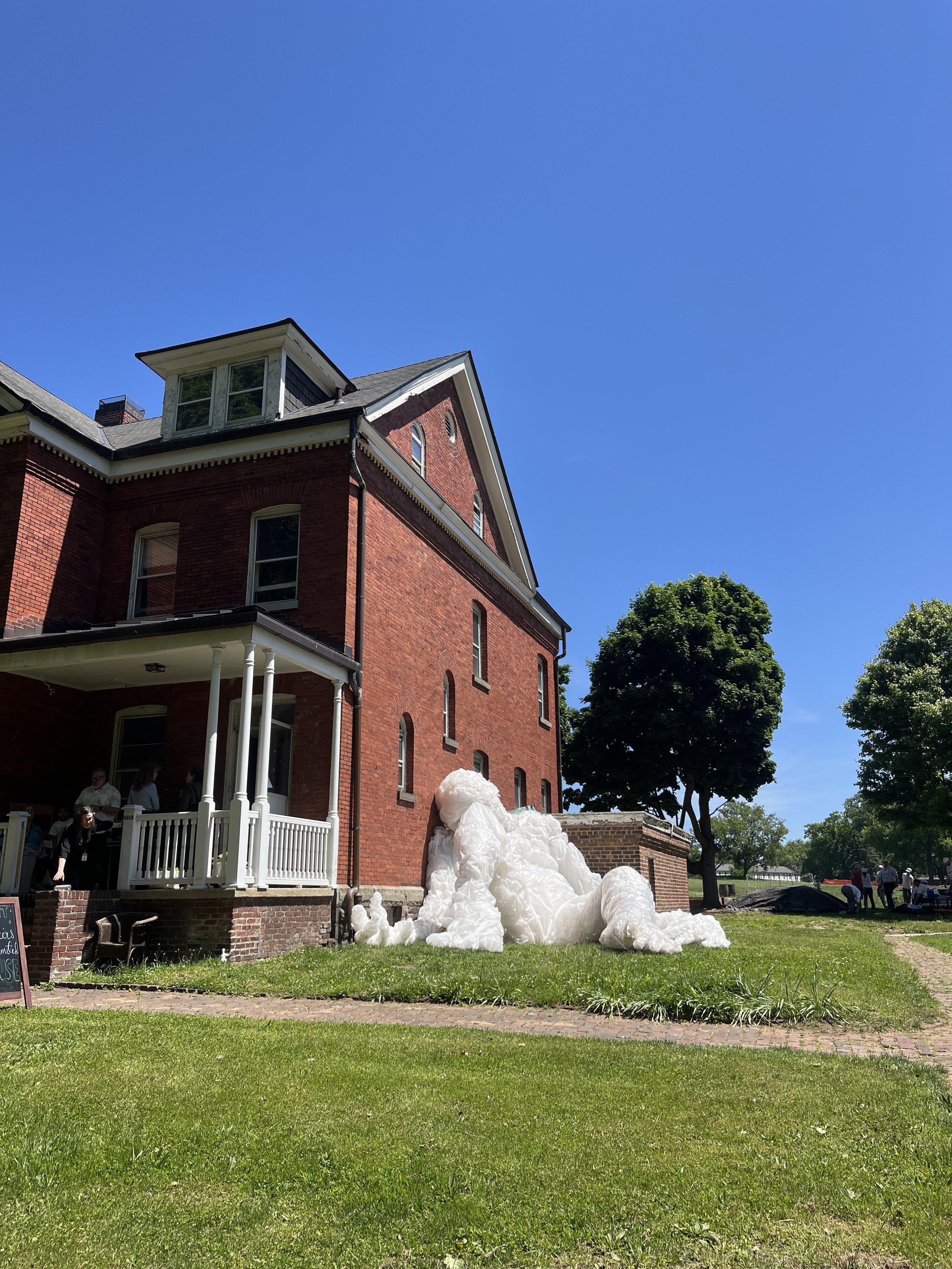
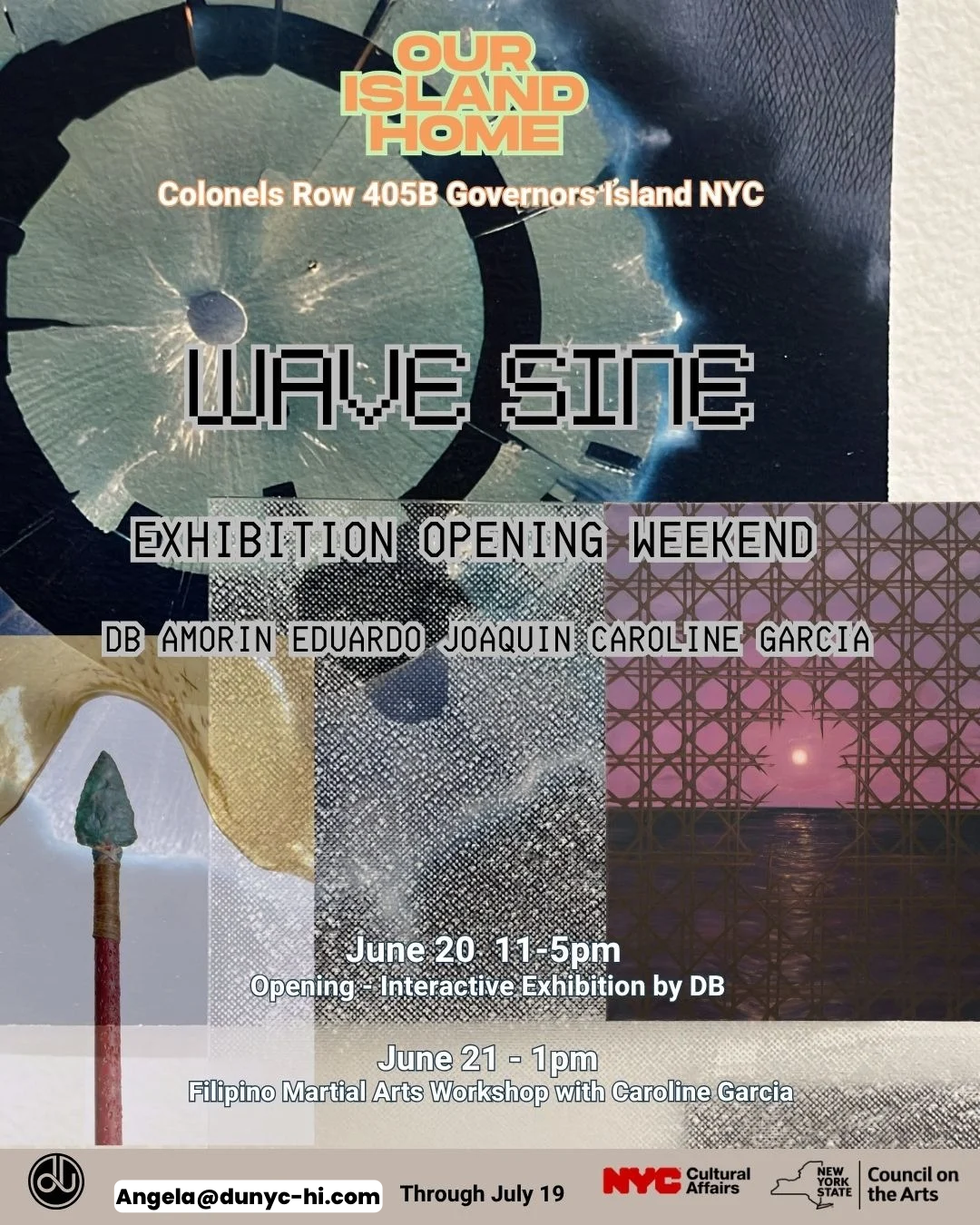
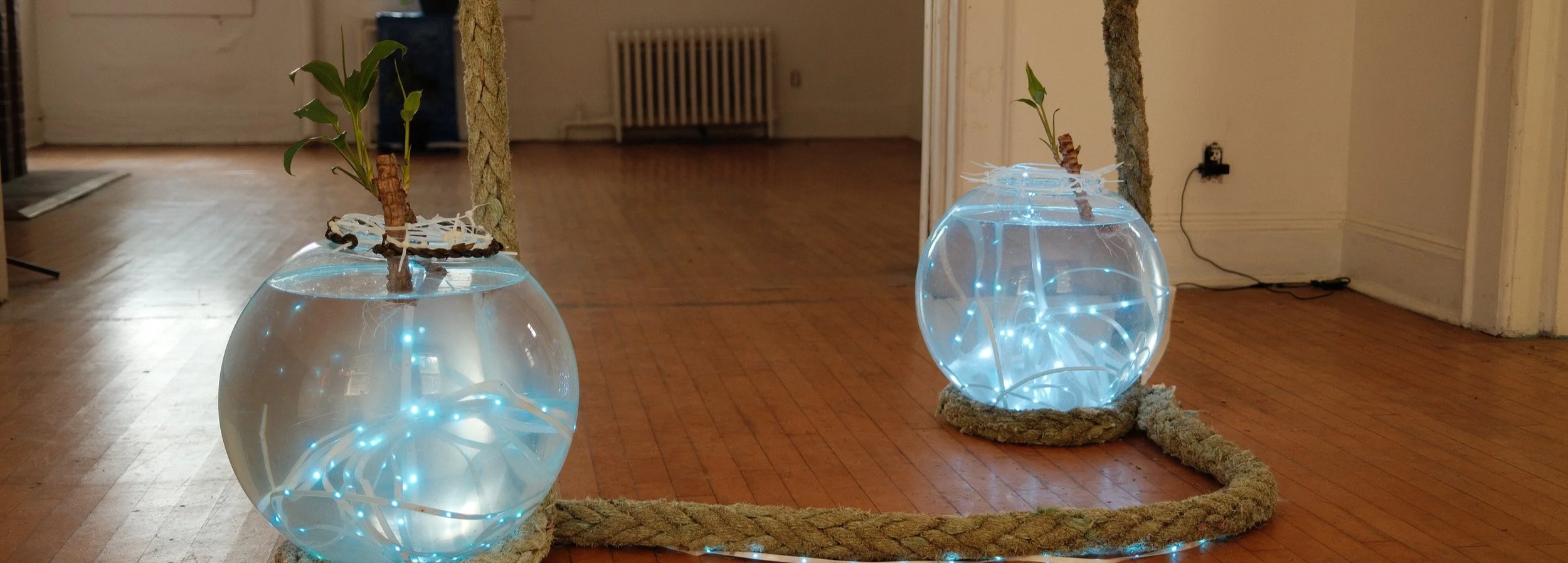
Come visit Our Island Home! Featuring work by DB Amorin, Eduardo Joaquin, Rozette De Castro, Claire Unabia, Matthew James, David Nakabayashi, David Le Fell, and Dario Mohr.
Our artists in residence bring together island communities from Pacific and Caribbean Islands that now reside on Turtle Island together to deepen our connections, collaborate creatively and present community programs together. Through collaborations with program partners who have presented robust and thoughtful programs on Governors Island as artists and organizations, as well as our long-time artistic partners in visual, performing and traditional arts.
Our vision for the house is to provide a space for cross-cultural collaboration and community-building through artistic collaboration residencies, dance and music performances, and public workshops featuring traditional cultural practices.
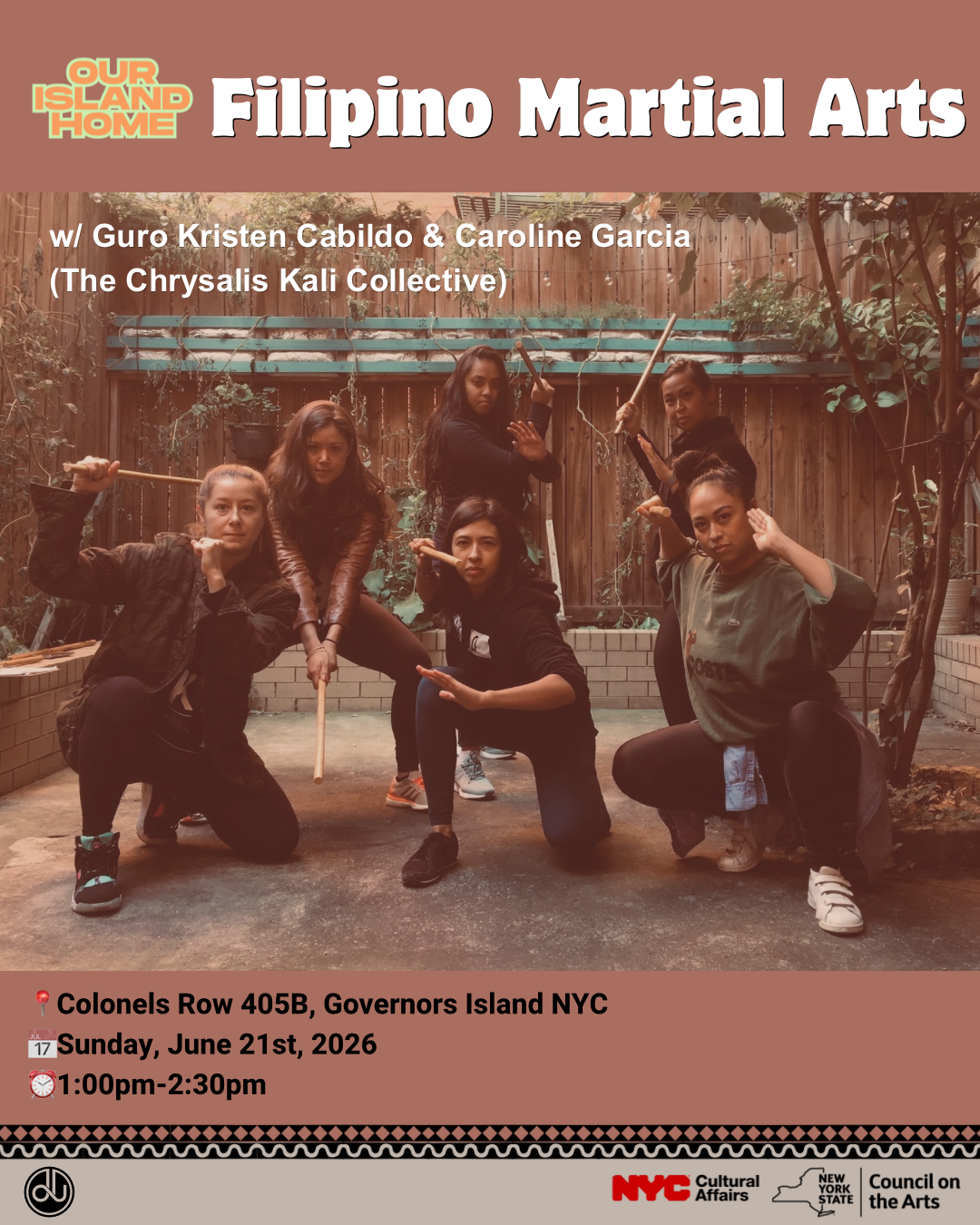
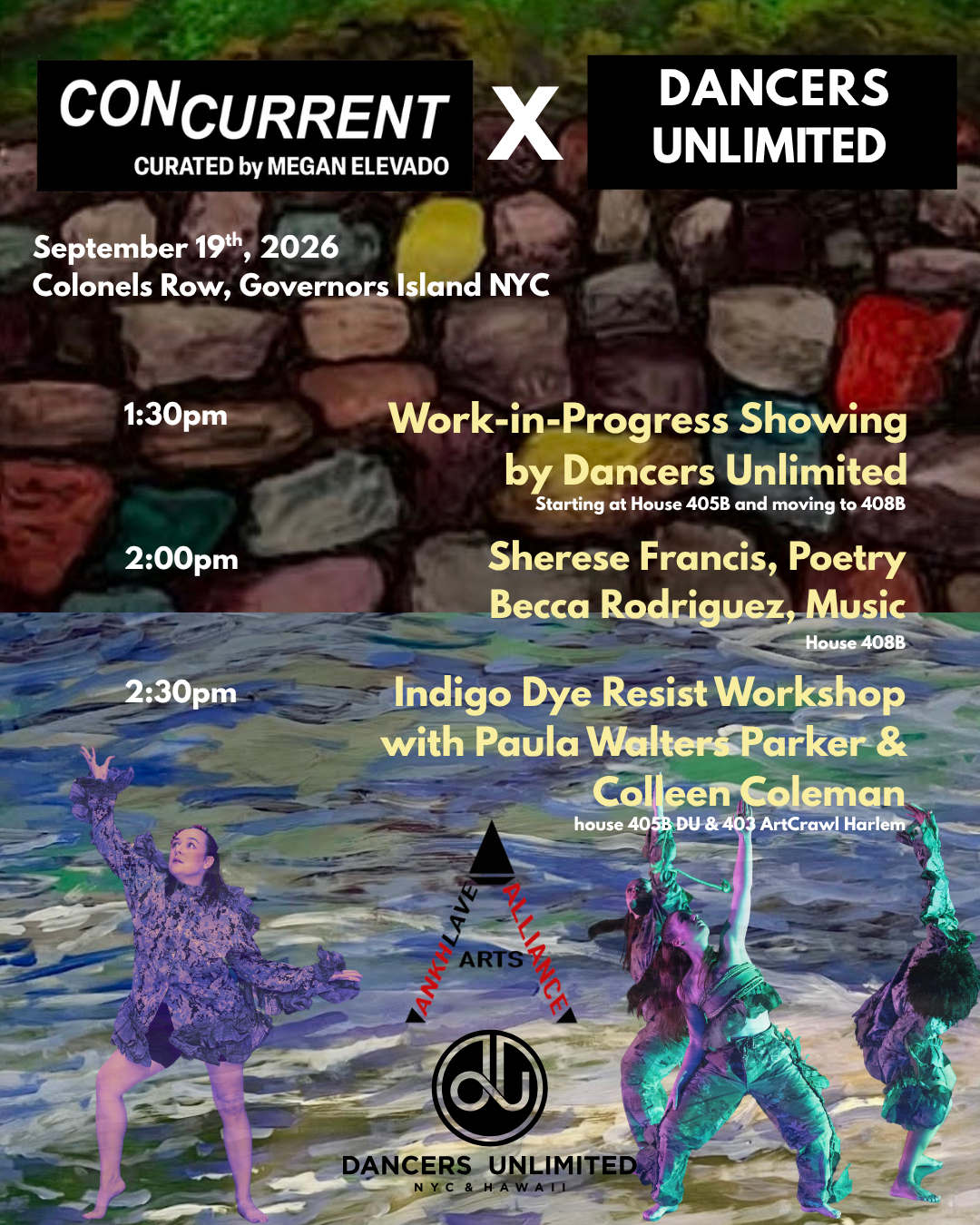
September 19th, 2026 EVENT SCHEDULE:
DU x AnkhLave Collaboration: We are joining forces with our neighbors, AnkLave, for their CONCURRENT Exhibition. Featuring a Dance Performance, Indigo Dyeing Workshop and Artists Collaborations with our two houses.
Rooted in ancestral knowledge, this new work explores how we care for the land through the stories carried in our bodies. Each performer moves from their own lineage. Distinct histories, Distinct rhythms — weaving together into moments of collective motion before breaking apart again, echoing the way individual inheritance shapes shared responsibility.
Current Artists In Residence:
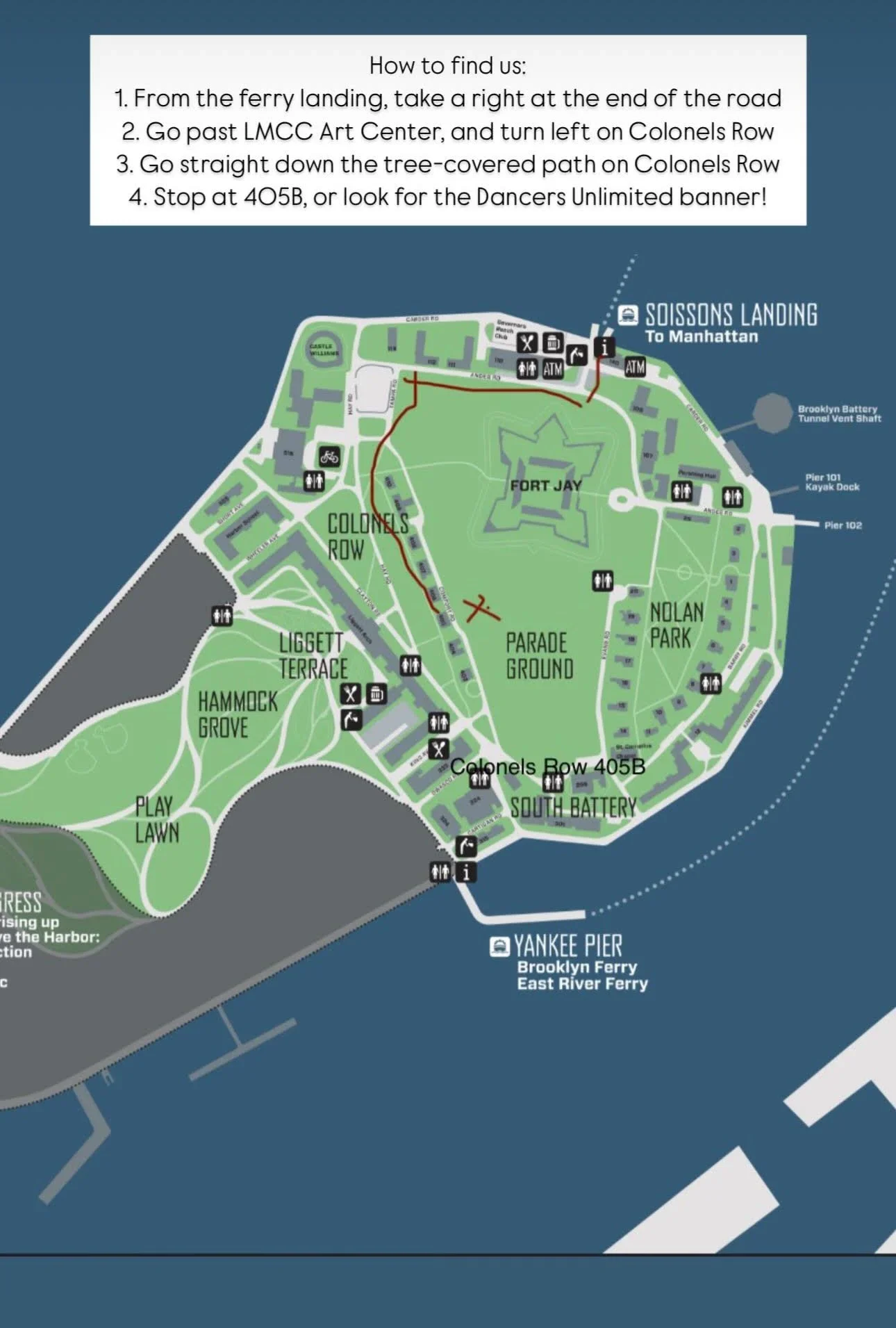
PLAN YOUR TRIP
Governors Island is accessible by ferry daily year-round.
From Manhattan: Ferries operated by the Trust for Governors Island run daily from the Battery Maritime Building, located at 10 South Street in Lower Manhattan. Scroll down for schedules and click the green "Purchase tickets" button to purchase tickets.
From Brooklyn: Seasonal ferries operated by the Trust for Governors Island run Saturdays, Sundays, and Holiday Mondays from May 24 to September 14, 2025, from two Brooklyn locations: Pier 6 in Brooklyn Bridge Park and Red Hook/Atlantic Basin. Scroll down for schedules and click the green "Purchase tickets" button to purchase tickets.